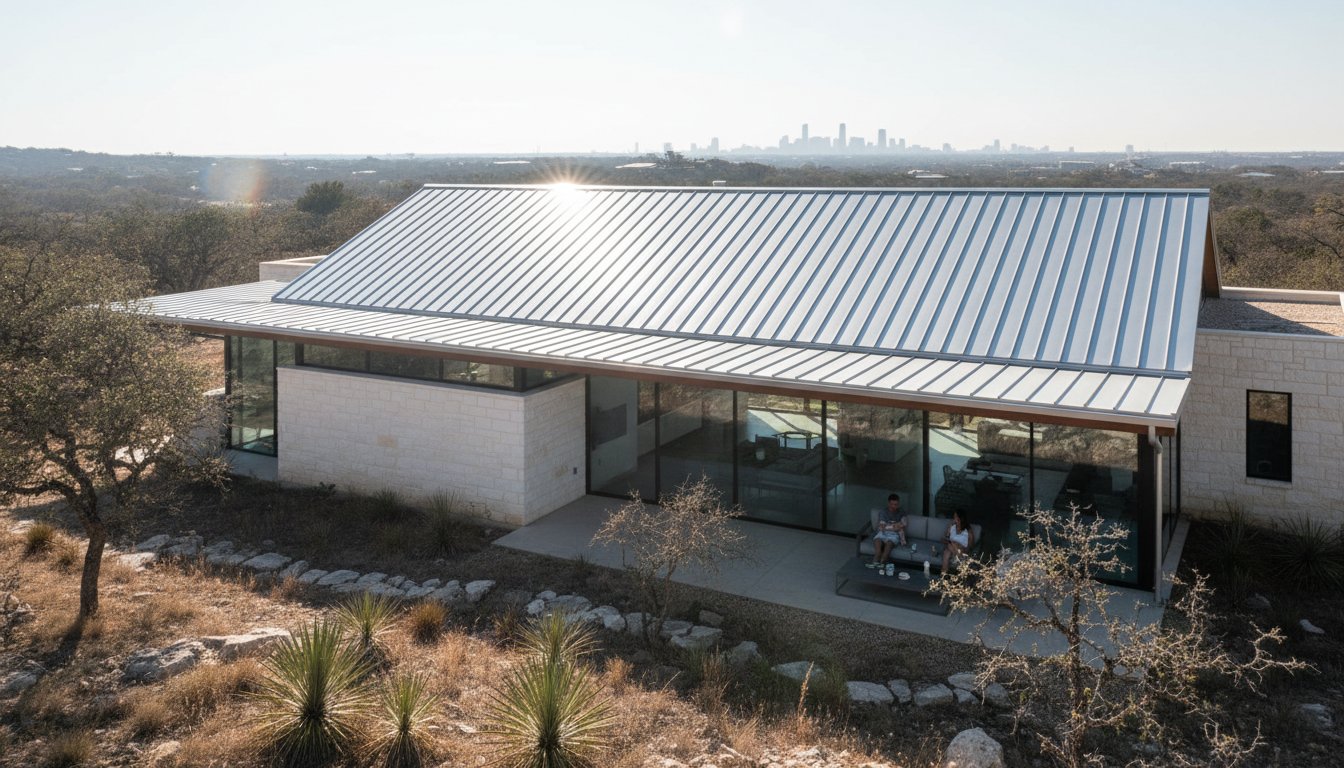
Best Roofing Materials for Texas Heat: 2026 Guide to Cool Roofing
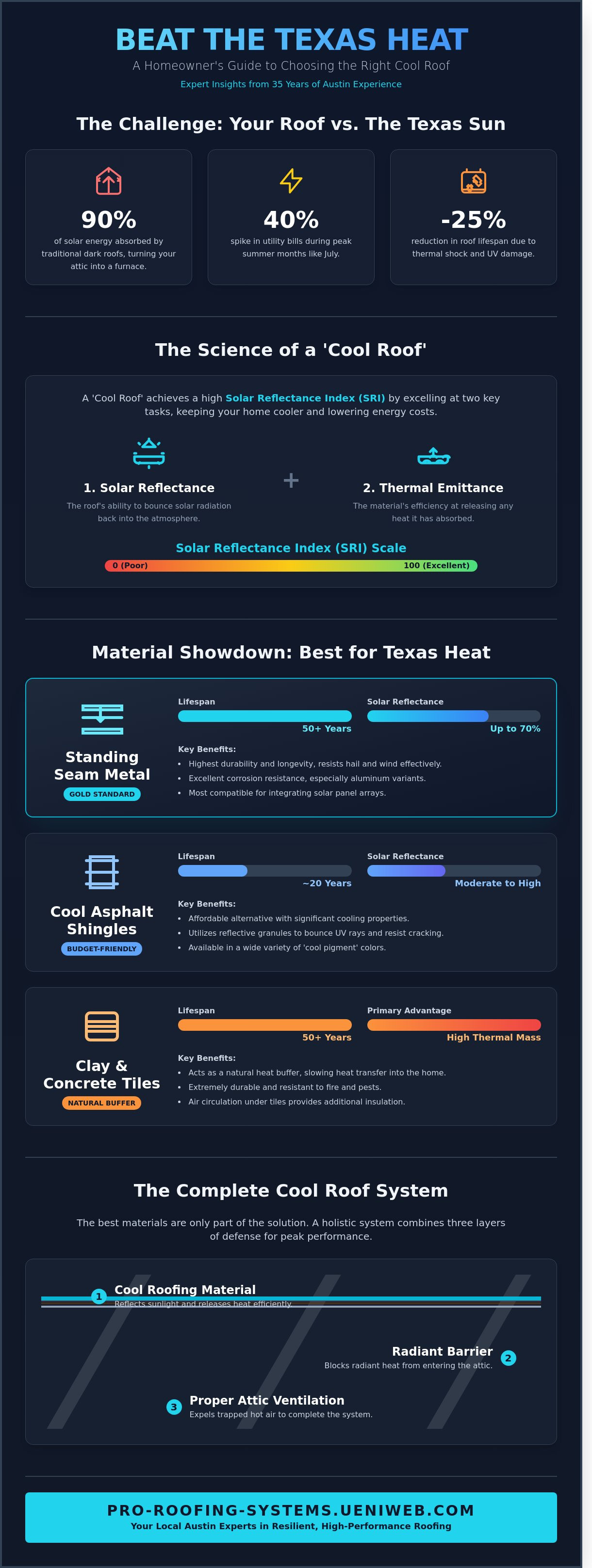
What if your roof is actually acting as a 150-degree furnace sitting directly above your living room? According to the Department of Energy, a traditional dark roof can absorb up to 90 percent of the sun's energy, making it vital to choose the best roofing materials for texas heat to protect your home. You likely already feel the strain of utility bills that spike by 40 percent in July and worry about standard shingles cracking under relentless UV exposure. It's frustrating to receive conflicting advice on whether metal or asphalt provides the most resilient protection for our unique climate.
At Pro Roofing Systems, we draw on 35 years of expertise to help you find solutions that offer the highest solar reflectance and steadfast durability. You'll discover exactly which modern cool roof technologies can lower your indoor temperatures by as much as 15 percent and safeguard your property against both extreme heat and heavy hail. We provide a clear comparison of metal, clay, and high-performance shingles to ensure your next roof is a wise investment that increases your property value while providing unparalleled peace of mind.
Key Takeaways
- Understand how the Solar Reflectance Index (SRI) impacts your home’s energy efficiency and why traditional materials often fail under the intense Central Texas sun.
- Compare the performance of standing seam metal and reflective "cool" shingles to identify the best roofing materials for texas heat that fit your budget and style.
- Discover how high thermal mass materials like clay and concrete act as a natural buffer to keep your interior temperatures stable during record-breaking heatwaves.
- Learn why a holistic approach—combining advanced ventilation with radiant barriers—is essential to ensuring your new roof performs at its peak.
- Leverage over 35 years of local Austin expertise to select a resilient roofing system that provides long-term protection and peace of mind.
The Science of Heat-Resistant Roofing in Central Texas
Central Texas homeowners face a climate where triple-digit temperatures persist for more than 40 days annually, as recorded during Austin's record-breaking 2023 summer. This sustained heat isn't just a matter of comfort; it's a structural threat. Choosing the best roofing materials for texas heat requires a technical understanding of how surfaces interact with solar energy. Traditional materials often absorb up to 90 percent of solar flux, transferring that energy directly into your attic and living space.
The Solar Reflectance Index (SRI) serves as the primary metric for 2026 building standards. It's a scale from 0 to 100 that combines two critical factors: solar reflectance and thermal emittance. Reflectance is the roof's ability to bounce solar radiation back into the atmosphere, while emittance is the material's efficiency at releasing any heat it does absorb. In Austin, the "Urban Heat Island" effect causes developed areas to remain 7 to 10 degrees warmer than nearby rural landscapes. This localized heat traps warmth in low-performing materials, leading to premature structural fatigue and significantly higher utility bills.
Understanding the difference between these two factors is vital for long-term protection. A material might have high reflectance but poor emittance, meaning it stays cool in the sun but holds onto heat long after sunset. For 2026, the industry has shifted toward materials that maximize both, ensuring your home sheds heat as soon as the sun dips below the horizon.
How UV Radiation Accelerates Roof Aging
Standard asphalt shingles often fail in Texas because of a process called thermal shock. On a typical July afternoon, roof temperatures can soar to 160 degrees Fahrenheit. When a sudden thunderstorm hits, that temperature can drop by 70 degrees in less than 30 minutes. This rapid contraction causes shingles to become brittle, lose protective granules, and eventually crack. Homeowners using low-reflectance materials often face a 25 percent reduction in the expected lifespan of their roof, which compromises their financial investment.
What Makes a Roof 'Cool' by 2026 Standards?
Modern standards, including the 2024 International Energy Conservation Code (IECC) adopted by various Texas municipalities, prioritize material composition over color alone. While white roofs were once the only choice for cooling, 2026 technology utilizes specialized "cool pigments" that reflect infrared radiation even in darker shades like charcoal or slate. These advancements allow for aesthetic variety without sacrificing thermal performance or energy efficiency. A 'Cool Roof' is defined as a roofing system that achieves a high Solar Reflectance Index (SRI) by combining superior solar reflectance and thermal emittance to minimize heat transfer into the building.
Top-Tier Reflective Materials: Metal and 'Cool' Asphalt
Selecting the best roofing materials for texas heat involves comparing initial costs against long-term energy savings. Standing seam metal roofing stands as the gold standard for thermal regulation in 2026. These systems reflect up to 70 percent of incoming solar radiation, keeping the structure beneath significantly cooler than traditional materials. While metal offers a lifespan exceeding 50 years, modern "cool" asphalt shingles provide a budget-friendly alternative with a 20-year service life. Both options require minimal upkeep, though keeping surfaces free of debris is vital. Industry data shows that accumulated dust can lower a roof's solar reflectance by nearly 15 percent within three years if the surface isn't maintained.
The Case for Metal Roofing in Austin
Aluminum roofing often outperforms steel in the Central Texas climate because it naturally resists corrosion. Homeowners frequently ask about noise during heavy rain. We solve this by using advanced insulation techniques and solid decking, which ensures the interior remains quiet. Metal is also the most compatible substrate for solar arrays. Integrating solar panels with a standing seam roof can reduce annual cooling costs by 25 percent. If you want to safeguard your investment with a durable solution, metal provides the highest level of protection against the relentless sun.
Reflective Asphalt Shingles: An Affordable Alternative
Cool asphalt shingles utilize polymer-modified bitumen and reflective granules to resist UV cracking. These specialized granules bounce sunlight back into the atmosphere rather than absorbing it into the attic space. For the 2026 season, manufacturers like GAF and CertainTeed have expanded their reflective palettes to match historic neighborhood aesthetics. These shingles are an excellent choice when HOA regulations restrict the use of metal. They offer a resilient barrier that maintains its integrity even when surface temperatures exceed 150 degrees Fahrenheit. Our seasoned professionals ensure these materials are installed with precision to maximize thermal resistance.
- Metal Lifespan: 50+ years with reflective coatings.
- Asphalt Lifespan: 20 years for high-performance cool shingles.
- Maintenance: Annual inspections to clear debris and check sealants.
- Efficiency: Metal can lower peak cooling demand by 40 percent.
High Thermal Mass Options: Clay, Concrete, and Slate
Heavy roofing materials provide a unique advantage in the Texas climate by acting as a thermal buffer. This property, known as thermal mass, allows materials like clay and concrete to absorb solar radiation throughout the day without immediately transferring that heat into your home's interior. By the time the material reaches its peak temperature, the sun has usually set. This allows the stored energy to radiate back into the atmosphere rather than your attic. This delay is a critical factor when choosing the best roofing materials for texas heat, as it significantly reduces the cooling load on your HVAC system during peak afternoon hours.
Durability remains a hallmark of these heavy systems. In North Texas, where hail frequently exceeds 2 inches in diameter, clay and concrete tiles often carry a Class 4 impact rating. This represents the highest level of protection available in the industry. These systems also withstand wind speeds of up to 150 miles per hour, making them a steadfast choice for regions prone to severe weather. Homeowners must consider structural requirements early in the process. A standard asphalt roof weighs approximately 230 pounds per square, while clay or concrete can exceed 1,000 pounds per square. A structural engineer's assessment is mandatory to ensure your home's framing can support this weight safely.
Clay and Terracotta: Timeless Heat Protection
Clay tiles, particularly the S-shape or barrel designs, offer superior cooling through natural convection. The curved profile creates air pockets between the tile and the roof deck. Research from the Oak Ridge National Laboratory shows that this above-sheathing ventilation can reduce heat transfer into the conditioned space by 45 percent. This makes terracotta a premier choice for luxury Austin homes where aesthetics and performance must align. Because clay is kiln-fired at temperatures exceeding 2,000 degrees Fahrenheit, it offers permanent color retention. It won't fade or degrade even after 50 years of intense UV exposure.
Concrete and Composite Slate Performance
Modern concrete tiles are now manufactured with specialized heat-reflective coatings that enhance their natural thermal properties. These coatings reflect a higher percentage of the solar spectrum, keeping the roof surface cooler than traditional stone. If you prefer the look of natural slate but worry about the weight, composite options provide a middle ground. These materials mimic the aesthetic of stone while offering improved thermal resistance. When installing these on existing residential structures, our team focuses on these key factors:
- Reinforcement: Assessing rafters and load-bearing walls to meet 2026 safety standards.
- Reflectivity: Utilizing "cool roof" pigments that meet modern energy efficiency requirements.
- Longevity: Ensuring a 50-year service life through precise, expert installation.
Selecting the best roofing materials for texas heat involves balancing these structural needs with long-term energy savings. Our 35 years of experience ensures your investment provides both security and efficiency for decades to come.
The Holistic Roof System: Ventilation and Radiant Barriers
Choosing the best roofing materials for texas heat is only the first step in protecting your home from the relentless sun. A roof functions as a complete system; even the highest-quality shingles will fail prematurely if the space beneath them cannot breathe. Without proper ventilation, attic temperatures in cities like Austin or San Antonio can exceed 150 degrees Fahrenheit. This trapped heat effectively cooks your shingles from the underside, causing asphalt to become brittle and adhesives to degrade. This thermal stress can shorten the lifespan of a 30-year roof by as much as 40% if left unaddressed.
Attic Ventilation: The Secret to Roof Longevity
Proper airflow requires a precise balance between intake and exhaust. Intake vents, usually located at the soffits, pull cool air in, while exhaust vents at the peak of the roof allow hot air to escape. We often recommend ridge vents for their continuous, passive airflow, but solar-powered attic fans are an excellent upgrade for homes with complex rooflines. These fans provide active extraction without increasing your monthly electric bill. In Austin homes, signs of poor ventilation often include:
- Interior paint or wallpaper peeling near the ceiling.
- A noticeable spike in cooling costs during the months of July and August.
- Shingles that appear curled or "fried" despite being less than 10 years old.
- Mold or mildew growth in the attic due to trapped humidity.
Industry standards typically require 1 square foot of vent area for every 300 square feet of attic floor space. Maintaining this ratio prevents moisture buildup in the winter and heat saturation in the summer, ensuring your investment remains steadfast against the elements.
Radiant Barriers and Insulation Upgrades
Foil-faced decking, commonly known as a radiant barrier, is one of the most effective upgrades for a Texas home. Radiant barriers utilize a thin layer of highly reflective aluminum to block 97% of the sun's radiant heat, which can lower attic temperatures by 30 degrees Fahrenheit during a standard Texas summer afternoon. This technology works in synergy with reflective roofing materials to create a double layer of thermal protection for your living space.
Combining a new roof installation with blown-in fiberglass insulation, aiming for an R-38 to R-60 rating, provides the maximum return on investment. This combination keeps the heat out of the attic and prevents what little heat remains from penetrating your ceiling. Seasonal maintenance, such as checking for blocked soffit vents every 6 months, will ensure the best roofing materials for texas heat remain resilient for decades. Our seasoned professionals can evaluate your current setup to ensure your home stays protected and energy-efficient.
Choosing Your Roof: The Pro Roofing Systems Assurance
Selecting the best roofing materials for texas heat requires more than a simple catalog choice. It demands a deep understanding of how intense UV radiation interacts with specific structural designs. Pro Roofing Systems brings 35 years of Austin-specific experience to your project. Our seasoned professionals use a meticulous inspection process to match materials to your home's unique orientation and attic airflow. This technical precision ensures your investment remains resilient for decades. We don't just install shingles; we engineer a thermal barrier for your home.
Our steadfast approach to roofing focuses on three core pillars of protection:
- Precise Material Matching: We analyze your home's solar orientation and roof pitch to recommend the most effective cool roofing options.
- System Integration: A heat-resistant roof only works if the ventilation and insulation are synchronized. We inspect the entire attic ecosystem.
- Warranty Assurance: Every installation is backed by professional-grade warranties that protect your financial investment against the harsh Texas climate.
By leveraging our decades of local knowledge, you gain access to a level of expertise that general contractors cannot match. We understand that a roof in Central Texas must withstand 100-degree days for months at a time without degrading. Our team provides the expert guidance necessary to ensure your home stays cool while your energy costs remain manageable.
Why Local Experience Matters in Texas
Austin's landscape creates varied microclimates. Homes in the rolling hills of Westlake encounter different wind loads and thermal pockets than properties in the open plains of Round Rock. Our team accounts for these variables during every installation. In a documented 2024 case study, a Central Austin homeowner saw their indoor attic temperatures drop by 25 degrees after we installed a heat-reflective system. This level of performance is only possible through local expertise and a commitment to quality and care. We design systems that handle 60mph wind gusts and relentless sun with equal reliability.
Next Steps for Your New Roof
Moving toward a high-efficiency roof replacement involves careful planning. We assist with every phase, including navigating financing options and identifying insurance incentives for impact-resistant or energy-efficient materials. Modern systems often lead to lower premiums and reduced monthly utility bills, providing a dual benefit of protection and savings. You'll receive a clear, detailed estimate that breaks down the benefits of the best roofing materials for texas heat tailored to your specific property. Don't leave your home's safety to chance. To get started, schedule your expert roofing inspection today and receive a comprehensive evaluation from Austin's trusted roofing authority.
Secure Your Texas Home with Future-Proof Roofing
Selecting the right defense against the relentless Central Texas sun requires more than just picking a color. You've discovered how high-reflectivity metal and advanced asphalt shingles deflect solar radiation before it enters your living space. You also know that clay and concrete offer the thermal mass required to stabilize temperatures during those frequent 100-degree summer streaks. Combining these choices with active ventilation creates a holistic system that significantly lowers cooling costs. Choosing the best roofing materials for texas heat is a vital investment in your property's longevity.
Pro Roofing Systems provides 35+ years of local Austin experience to ensure your installation meets the highest standards. We offer unparalleled expert roofing guidance alongside emergency support and preventive maintenance plans designed specifically for the Texas climate. Our seasoned team focuses on your protection and peace of mind through every season. You'll rest easy knowing your home is shielded by decades of proven expertise and a commitment to quality care.
Secure Your Home With a Free Roofing Estimate
Your durable, energy-efficient future starts with a roof built to last.
Frequently Asked Questions
What is the single best roofing material for the Texas heat?
Standing seam metal roofing with a high Solar Reflectance Index (SRI) is the best roofing material for Texas heat. These systems reflect up to 70 percent of solar radiation away from your home, preventing heat absorption. Our seasoned experts recommend materials certified by the Cool Roof Rating Council to ensure maximum thermal protection. This resilient choice safeguards your investment by maintaining structural integrity during the 100 degree days common in Central Texas.
Do metal roofs really make your house cooler in the summer?
Metal roofs significantly reduce indoor temperatures because they've low thermal mass and high solar reflectance. Research from the Oak Ridge National Laboratory shows that reflective metal surfaces can lower the surface temperature of a roof by 50 degrees compared to traditional dark shingles. This prevents heat from migrating into your attic space. Our team installs these systems with precision to provide steadfast protection against the intense Texas sun.
How much can a cool roof save me on my Austin energy bills?
Installing a cool roof can save you approximately 15 percent on your annual cooling costs in Austin. The U.S. Department of Energy reports that reflective roofing reduces peak cooling demand by up to 15 percent during the hottest months. These savings provide long term financial assurance for homeowners. By choosing the best roofing materials for texas heat, you ensure your HVAC system doesn't work overtime during July and August.
Are light-colored shingles better than dark ones for heat?
Light-colored shingles are more effective at managing heat than dark ones because they reflect a higher percentage of UV rays. Testing shows that white or light gray shingles stay 20 to 30 degrees cooler than black or dark brown alternatives. This temperature reduction directly impacts the longevity of your roof deck and underlayment. Our seasoned professionals help you select shades that balance aesthetic appeal with high performance thermal protection for your home.
Does a radiant barrier replace the need for a cool roof material?
A radiant barrier doesn't replace the need for cool roof materials; instead, it works as a secondary layer of protection. While a cool roof reflects heat at the surface, a radiant barrier installed in the attic reduces radiant heat transfer by 90 to 97 percent. Using both systems together provides an unparalleled level of energy efficiency. This dual approach ensures your home remains a sanctuary during the peak of the Texas summer.
How long does a typical roof replacement take in Austin?
A typical roof replacement for a standard residential home in Austin takes between 1 and 3 days. Larger or more complex structures may require up to 5 days for completion depending on weather conditions. Our team prioritizes a swift response and efficient execution to minimize disruption to your daily routine. We maintain a clean worksite and provide constant updates to guarantee your peace of mind throughout the entire installation process.
Can my existing roof support the weight of clay or concrete tiles?
Most existing residential frames require a structural engineer's inspection before supporting clay or concrete tiles. These materials weigh between 600 and 1,000 pounds per square, which is often triple the weight of standard asphalt shingles. We provide expert guidance to determine if your home's structure needs additional bracing. Ensuring your home can safely support these resilient materials is a critical step in safeguarding your long term investment.
Is there a tax credit for installing energy-efficient roofing in 2026?
Federal guidelines for 2026 provide incentives for energy-saving upgrades through the Energy Efficient Home Improvement Credit. Homeowners can often claim 30 percent of the cost for eligible insulation and air sealing materials that accompany a new cool roof installation. We recommend consulting with a tax professional to verify the specific 2026 limits for your project. This financial assurance makes investing in high quality, energy-efficient roofing a smarter choice for Texas residents.
Need a Roof Inspection?
Free, no-obligation inspection from Austin's most trusted roofing team.
Get Free Quote 512-800-7010Explore more roofing tips and guides from our team.
Back to All Articles